Browse the Catalogue
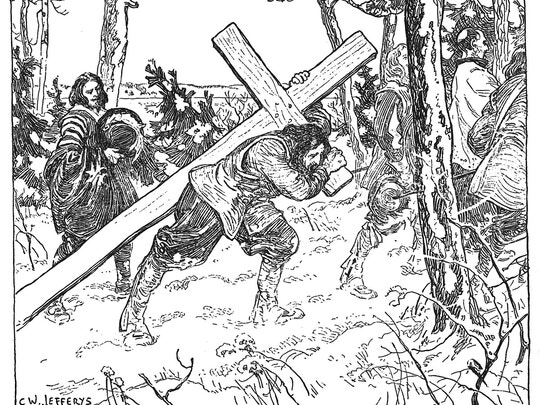
In the picture, Maisonneuve is seen on his way, preceded by the priest and the members of his company. Behind him is his servant, carrying his master's cloak, on which may be seen embroidered a white Maltese Cross...
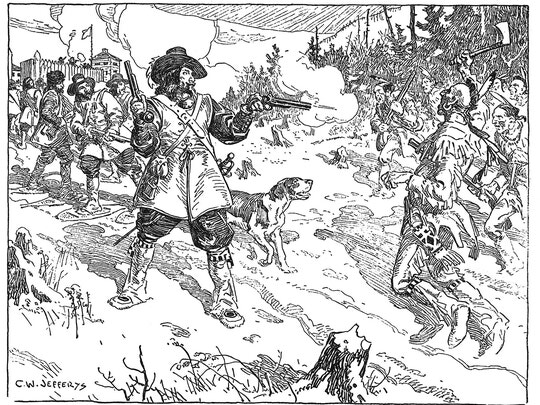
Montreal, to-day the largest city in the Dominion, was founded as a mission station in 1642 by a little band of pious devotees, who planted this outpost of the Christian faith in the heart of a savage, heathen world.
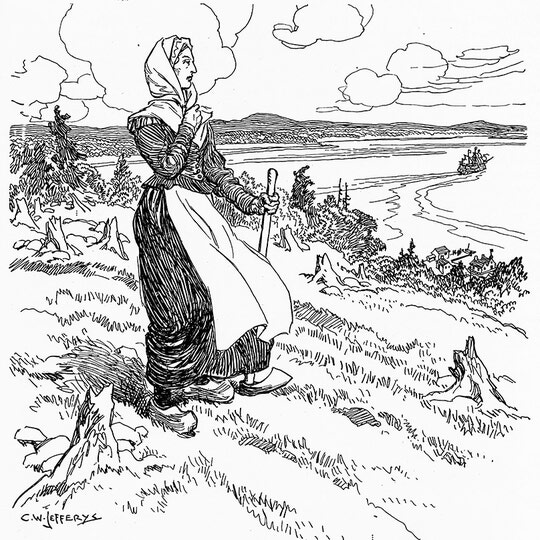
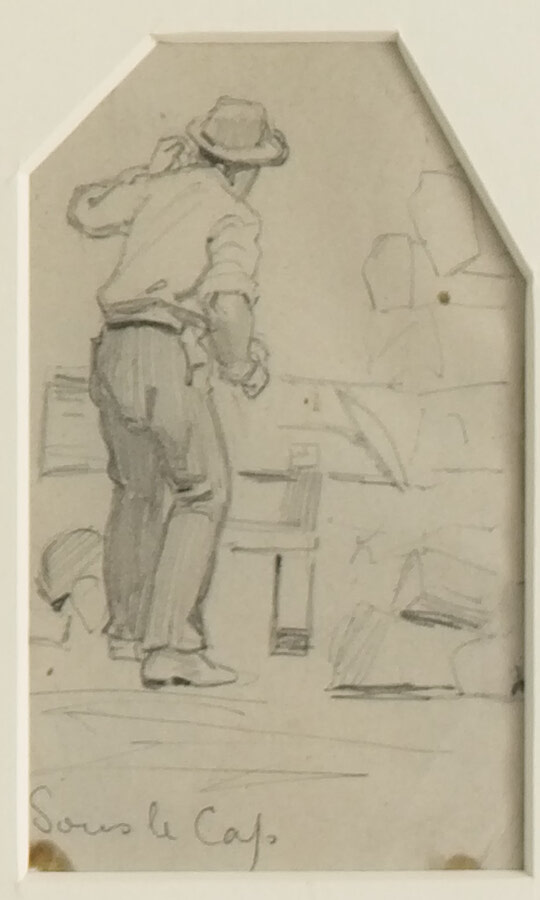
In the picture she is seen watching from one of her fields on the edge of the cliff the departure of the last English ship bearing away the French colonists.
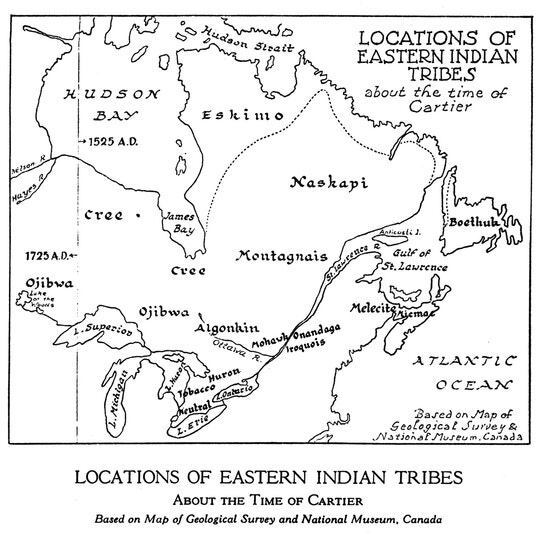
Locations of Eastern Indian Tribes about the time of Cartier. Based on Map of Geological Survey and National Museum, Canada
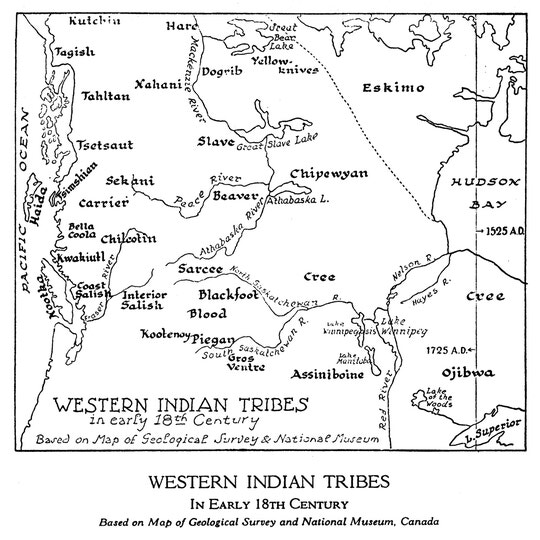
Western Indian Tribes in Early Eighteenth Century. Based on Map of Geological Survey and National Museum, Canada
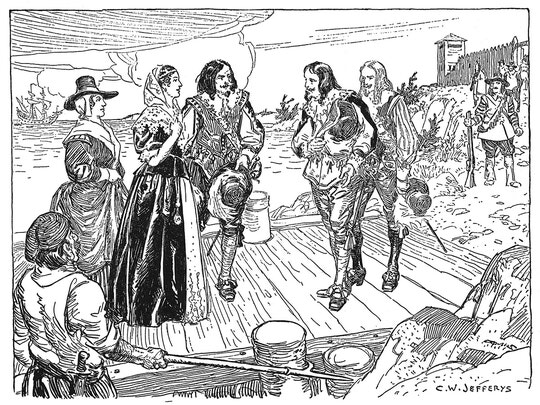
The story of La Tour and his bride sounds more like romantic fiction than sober historic fact, and indeed, much of it seems to be only vague legend, set going by the tales told by La Tour's rival, De Charnisay...
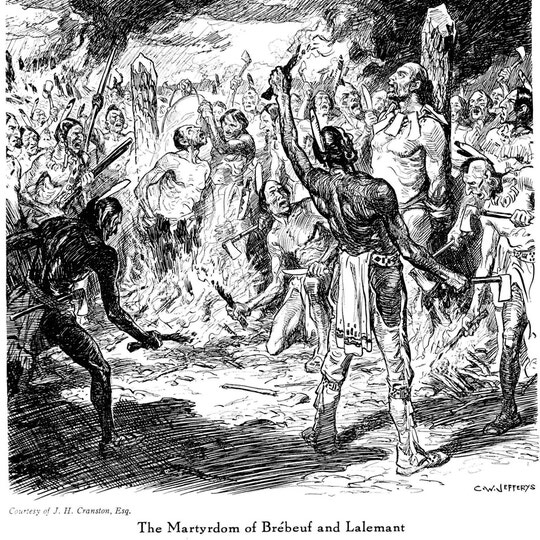
They were led back to St. Ignace and put to the dreadful tortures which the Iroquois inflicted upon their prisoners. Brebeuf suffered for four hours, when a chief cut out his heart and ended his agony. Lalemant, in spite of his frail physique...
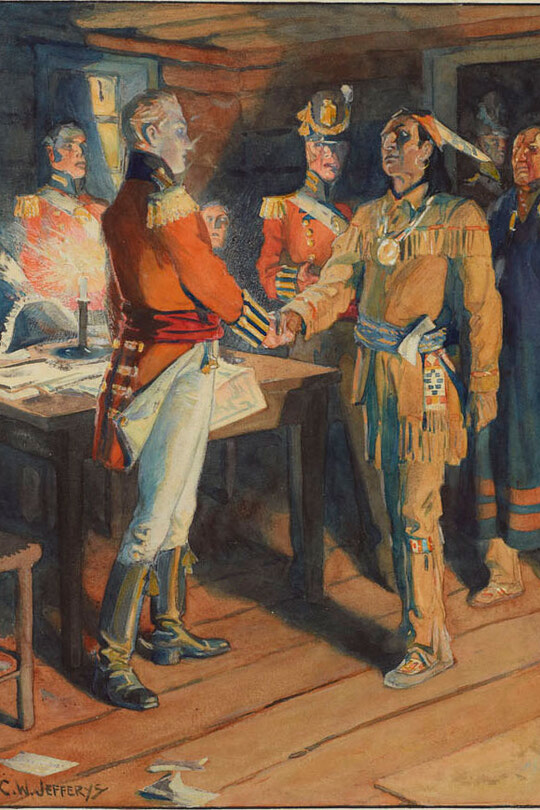
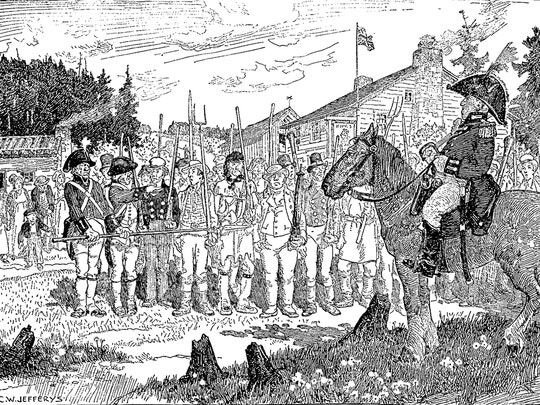
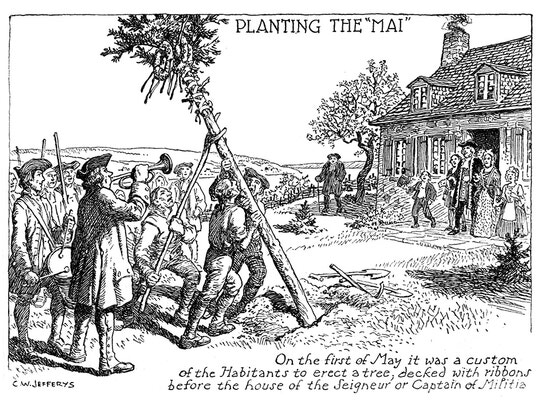
All able-bodied men were enrolled in the Canadian militia.They received occasional training in drill during the year, but the principal muster was on the birthday of King George III, June 4th.
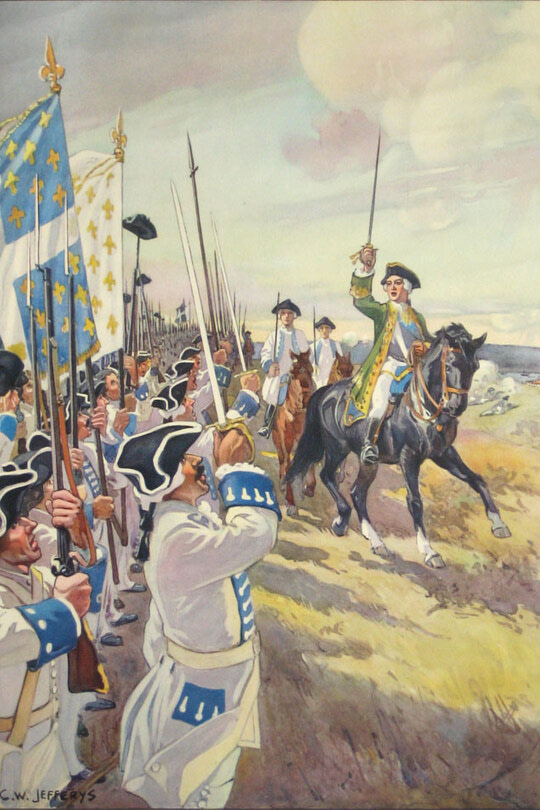
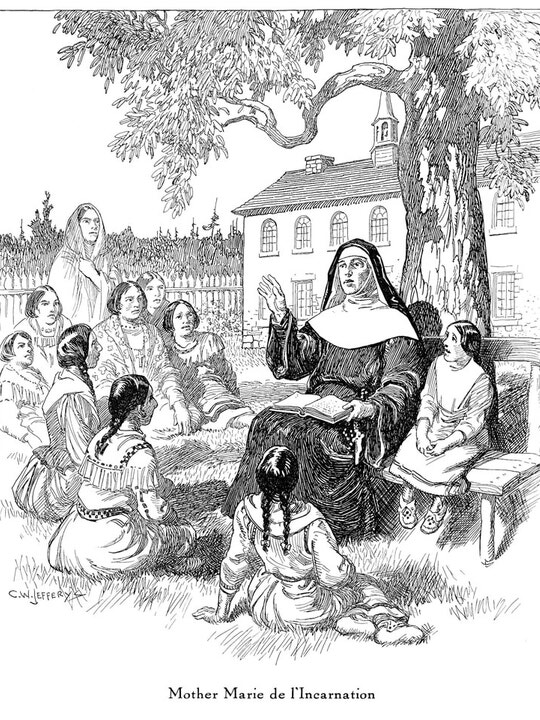
In the picture, Mother Marie wears the black and white robes of the Ursuline Order of the period, as shown in pictures of the time. The Indian girls are dressed partly in the clothing of the French children of that day and partly in their own...
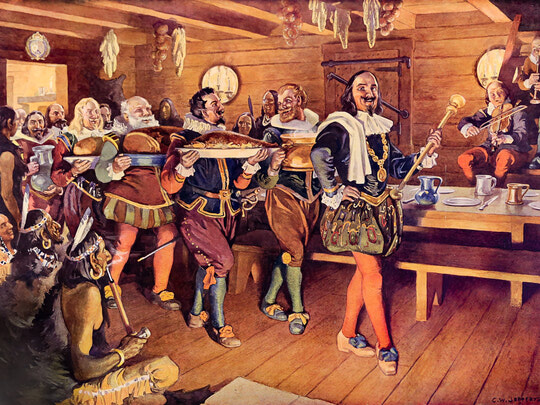
In order to keep up the spirits of the colonists of Port Royal during the winter of 1606-1607, a sort of club was organized called "The Order of Good Times". Each member had to take his turn in providing the dinner...
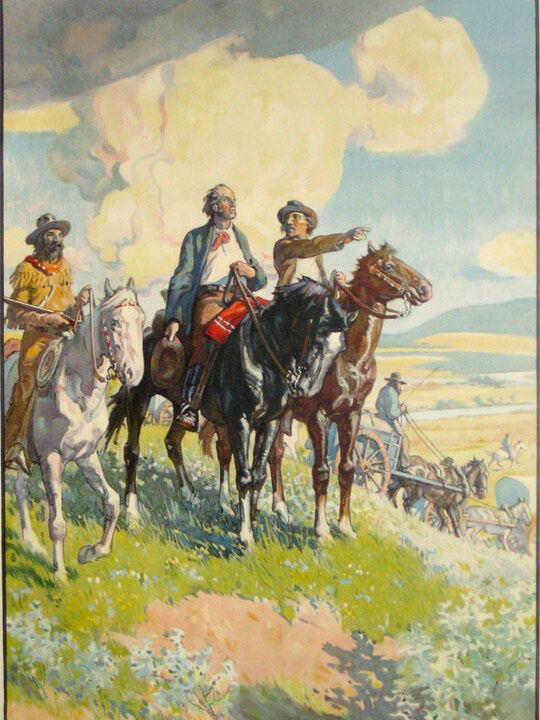
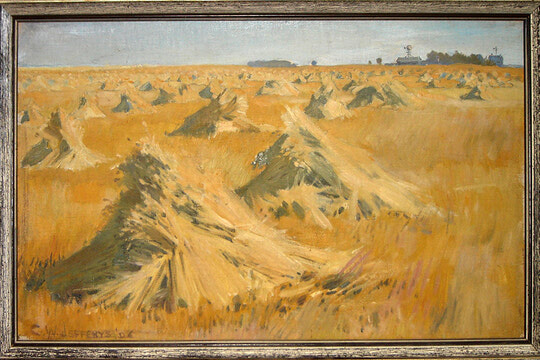
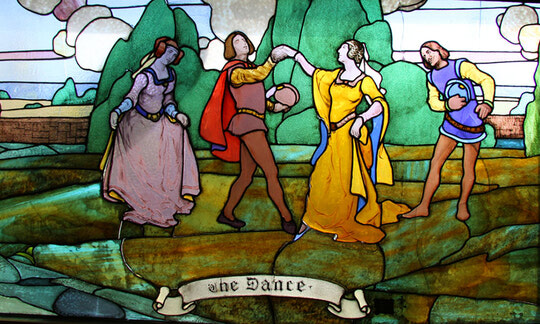
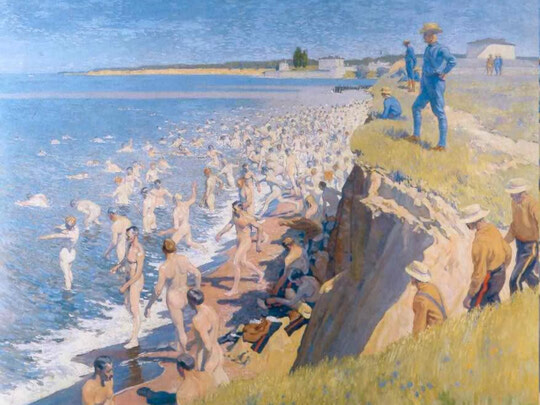
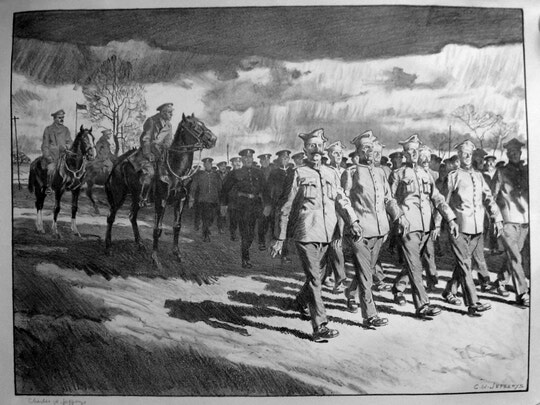
Jefferys worked for Canadian War Records in 1918, recording the activities Polish Army in Exile at Niagara and Toronto and the Siberian Army in Exile in at Camp Petawawa, Ontario.
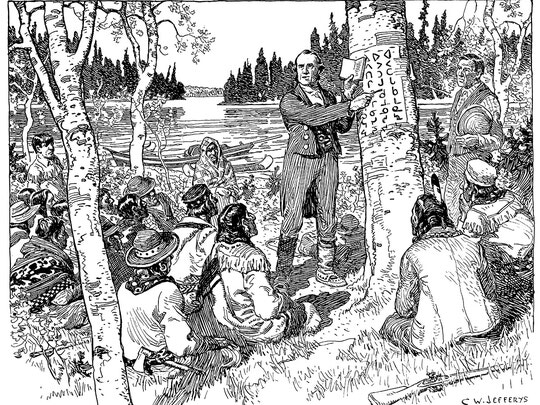
Among those who have devoted themselves to missionary work among the Indians of Canada no one holds a higher place than James Evans, "the man who taught birch bark how to talk."
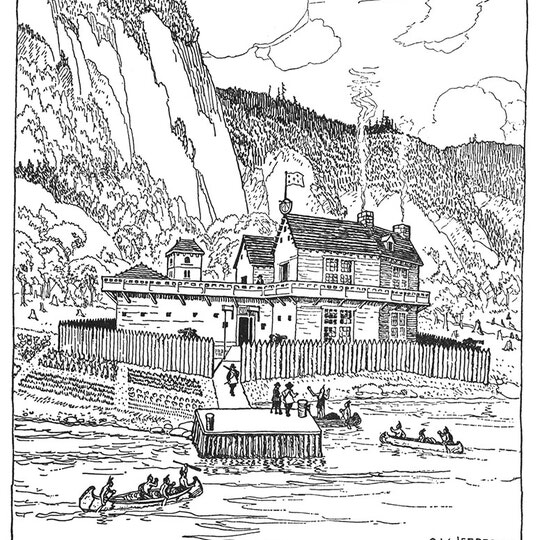
The picture, which is redrawn from the engraving in Champlain's works, is intended to show the position of the Habitation and to give some idea of the materials and the methods used in its construction.